
The Art of Matched Millwork: Architectural Woodworking in Historic Structures
Walk into almost any historic building and wood is telling part of the story. Crown moldings, window casings, door surrounds, wainscoting, built-in cabinetry, decorative brackets — these details weren't incidental. They were designed with intention, executed by skilled craftspeople, and chosen to reflect the architectural character of their time.
When that wood deteriorates, gets damaged, or needs to be replaced, the question isn't just structural. It's aesthetic, historical, and material all at once. Getting it right requires a different kind of contractor than the one who replaces drywall and installs stock trim from a lumber yard.
Here's what matched millwork actually involves — and why it matters more than most people realize.
It Starts With Reading the Original
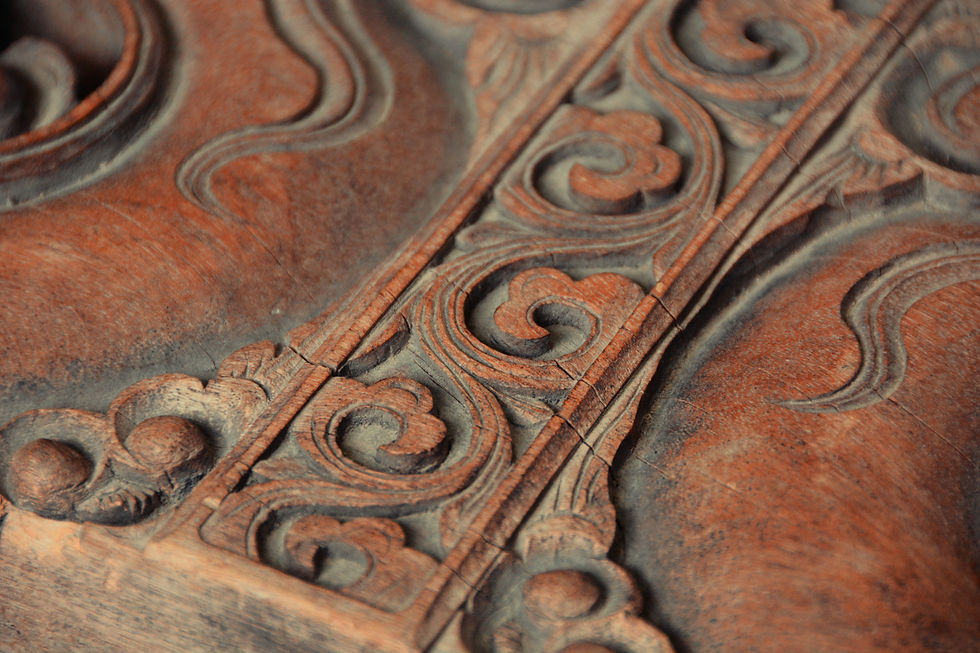
Before any new wood is milled, the existing material has to be understood. What species was used? What is the profile — the exact shape of the molding, the proportions of the casing, the dimensions of the panel? How was it finished? How has it aged?
This investigation isn't just about aesthetics. Different wood species have different structural properties, different responses to moisture and temperature, and different aging characteristics. Replacing a Douglas fir element with a modern pine substitute might look acceptable on day one. Over time, the differences in how those materials move, absorb moisture, and hold paint will show up — often in ways that damage the surrounding original fabric.
Reading the original correctly is the first step toward replicating it correctly.
Milling to Match
Historic molding profiles were produced on equipment and with techniques that often no longer exist in standard millwork shops. Many profiles from the late 19th and early 20th centuries were run with custom knives on molding machines — equipment that can still be found and operated, but that requires knowledge, skill, and patience to set up correctly.
When we take on a matched millwork project, we source or fabricate the tooling needed to replicate the original profile as accurately as possible. That might mean having custom knives ground to match a measured profile, or hand-working material to achieve a detail that can't be run on a machine. The goal is a result that integrates seamlessly with what's already there — not one that merely approximates it.
Species Selection Is Not Optional
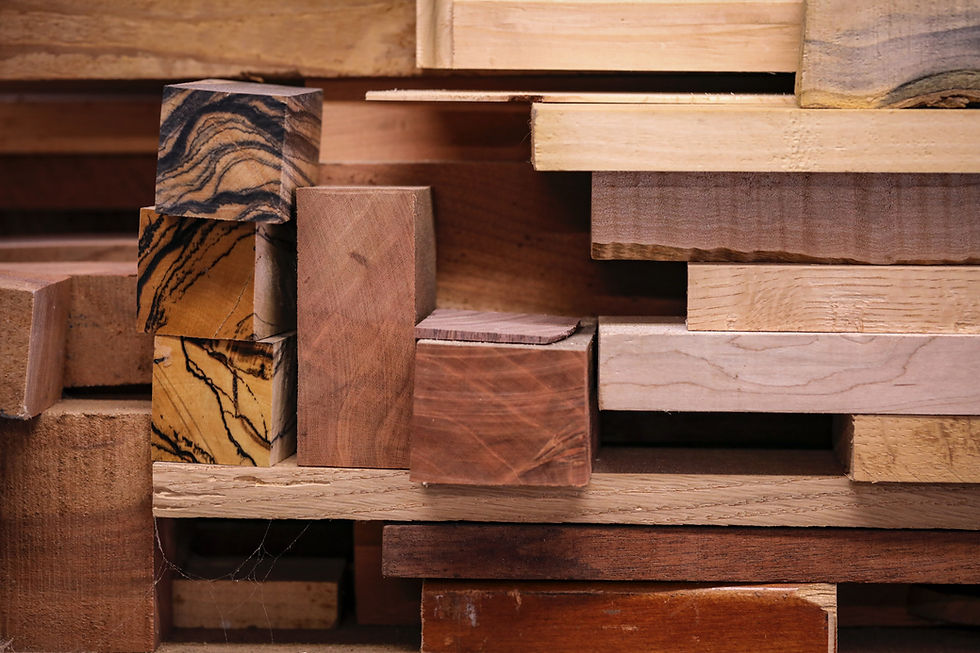
One of the most common shortcuts in historic woodwork repair is substituting whatever species is readily available for whatever species was originally used. It's understandable — sourcing old-growth Douglas fir, genuine mahogany, or tight-grained vertical grain redwood takes more effort and more cost than pulling something off a standard lumber rack.
But species selection is not optional on preservation work. The original species was chosen for reasons — appearance, workability, durability, regional availability — and those reasons still apply. A replacement that looks right but behaves differently will eventually make itself known.
When the original species is no longer commercially available at the quality needed, the answer is to find it — through specialty suppliers, salvage sources, or timber framers who work with old-growth material. It takes more time. It produces a better result.
Finish Matching
A perfectly milled and properly species-matched piece of wood still won't read correctly if the finish is wrong. Historic finishes — oil-based paints, shellac, linseed oil treatments, early synthetic enamels — behave differently from modern coatings and age differently over time.
On preservation projects, finish matching is part of the scope. That might involve paint analysis to identify the original finish system, sourcing historically compatible coatings, or working with a conservator to develop an approach that integrates new work with aged original surfaces.
The goal, always, is for the repair to be invisible. New work that calls attention to itself — that reads as newer, shinier, or slightly different in color or sheen — hasn't fully succeeded, no matter how technically correct the underlying work is.
Why This Level of Care Matters
Historic woodwork is irreplaceable. Once an original molding profile is lost — replaced with something close but not exact, or covered over, or simply removed — it's gone. The building loses something it can never get back.
Matched millwork is the discipline of making sure that doesn't happen on your watch. It's exacting, time-consuming work. It requires craftspeople who have spent years developing the skills to do it right. And it produces results that honor the building, serve the owner, and hold up over time.
At Treeline, it's one of the things we're most proud of doing well.
Treeline Construction, Inc. is a California-based general contractor specializing in historic preservation, rehabilitation and repair, adobe construction, and seismic retrofit. We've worked on some of California's most significant historic structures — and we bring that same standard of care to every project, large or small.


Comments